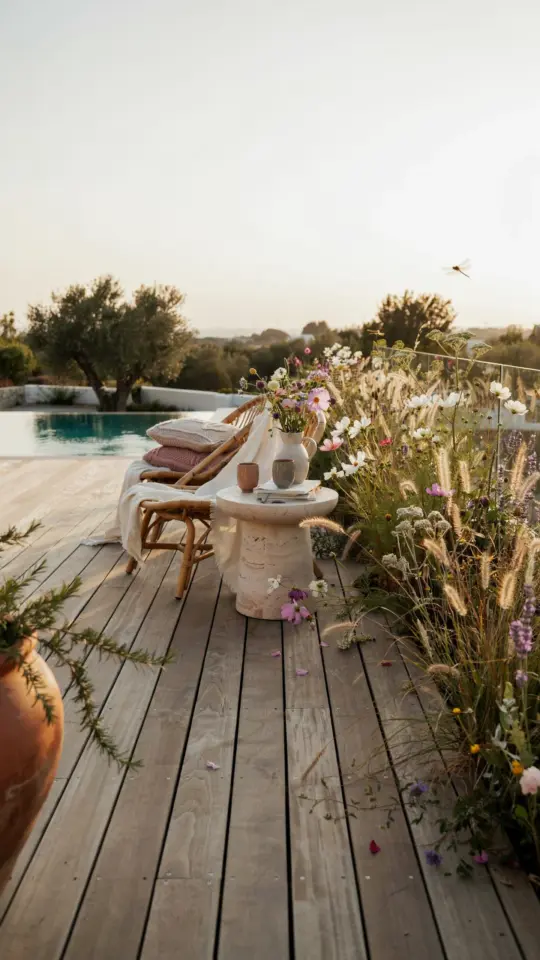
If you have a pool deck made of loose gravel, you already know the struggle. Stones shift underfoot, spread into the grass, and create muddy spots after a rain. That is exactly why I started looking into gravel stabilizing grids. These honeycomb shaped plastic mats lock each stone in place, giving you a firm, walkable surface without pouring concrete. They are a budget friendly DIY solution that works for pathways, patios, and especially around the pool. And the best part? You can install them yourself in a weekend without a crew or heavy equipment.
Why Gravel Grids Make Sense for Your Pool Deck
A pool deck takes constant abuse from wet feet, pool chemicals, UV rays, and heavy furniture. Traditional loose gravel simply can not handle that. It shifts, gets washed away, and makes barefoot walking uncomfortable. Gravel stabilizing grids solve all of that by creating a stable base that holds the stones in a permanent honeycomb pattern. The result is a surface that stays flat, drains quickly, and feels solid underfoot. I have used these grids on my own pool surround, and they have held up through three Texas summers and two hard winters without any shifting or rutting.
These grids are typically made of recycled HDPE plastic, so they are tough enough to support the weight of a lounge chair or even a small wheelbarrow. The open cell design lets water drain straight through, which means no puddles and no mud. For anyone on a tight budget, this is a much smarter alternative to stamped concrete or stone pavers. You get the same clean look for a fraction of the price.
Affordable Options for a DIY Backyard Upgrade
Not all gravel grids cost the same, and you do not need to spend a fortune to get good results. I recommend starting with basic polyethylene grids that come in 2×2 foot panels. These run about $0.50 to $1.00 per square foot, which is a steal compared to concrete at $6 to $12 per square foot. You can find them at big box home stores or online landscape suppliers. Spend a little extra on grids with UV inhibitors if your pool deck gets direct sun all day. That small premium prevents the plastic from becoming brittle after a few years.
To keep the project even more budget friendly, pick your gravel wisely. Avoid smooth river rock, which will not lock into the grid cells. Instead, use angular crushed stone, 3/8 inch pea gravel or 1/2 inch trap rock. These shapes interlock inside the cells and stay put. One ton of gravel covers about 60 square feet at a 2 inch depth. For a typical 10×10 foot pool deck area, you will need roughly 1.5 tons. That runs around $60 to $100, depending on your local quarry. Total material cost for a modest pool surround can be under $300, plus a few hours of your own labor.
How to Choose the Right Grid for Your Patio Ideas
Before you buy, think about what you want the finished patio to look and feel like. Different grid heights give different results. A 1 inch tall grid works well for pathways and low traffic spots. But for a pool deck where people walk barefoot and place chairs, go with a 1.
#gravelgrids #pooldockdecor #diybackyard #patioideas #landscaping
Leave a Comment