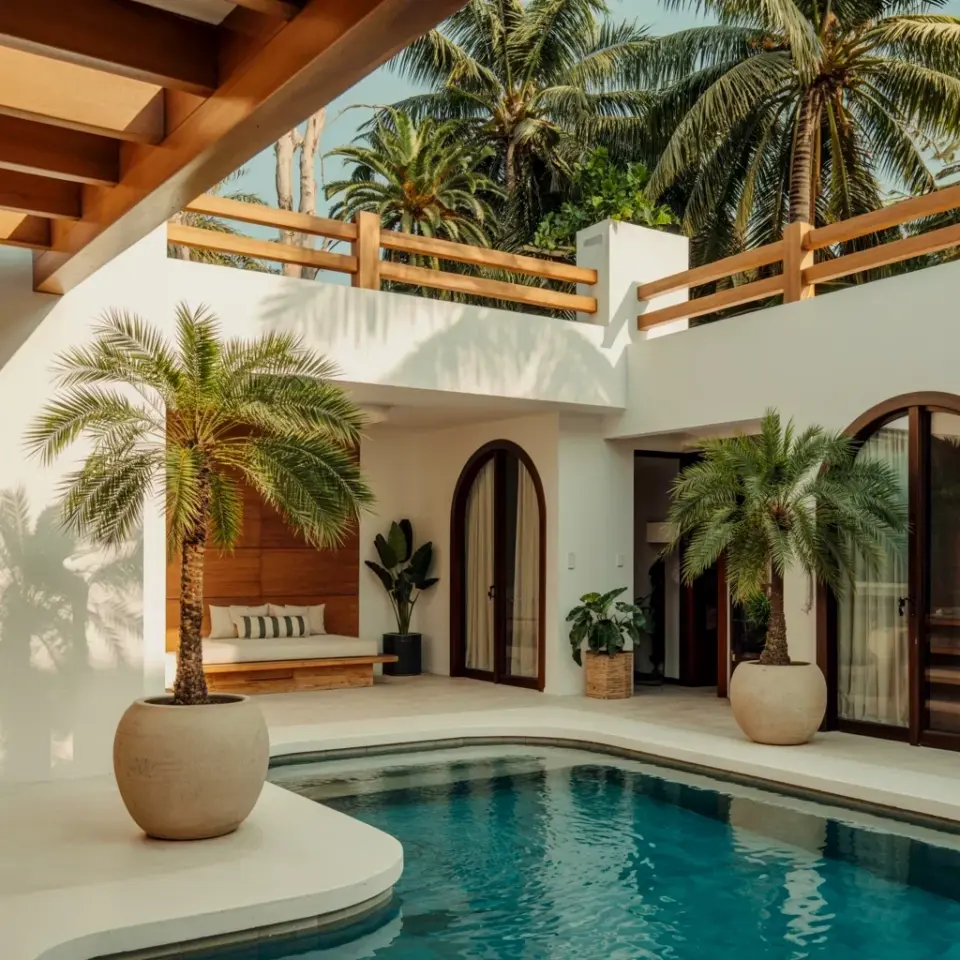
If you have been scrolling through Pinterest for pool coping ideas, you already know that the edge around your pool can make or break the whole backyard vibe. Maybe your current concrete is cracked, stained, or just plain boring. The good news is that you do not need a full renovation to change it. I have tested several budget friendly materials myself, and I am here to share the options that actually look great without costing a fortune. Whether you are a weekend warrior or a first time DIYer, these ideas will give your pool area a fresh, custom look for way less than hiring a contractor.
Why Update Your Pool Coping Without Breaking the Bank
Replacing pool coping seems like a big job, but it is one of the most visible parts of your pool. A fresh edge instantly upgrades the whole backyard design. The trick is to pick materials that do not require heavy machinery or specialized skills. I have learned that many homeowners overspend on premium stone when a simpler option works just as well for a fraction of the price. Focus on what is achievable in a weekend with basic tools, and you will avoid the sticker shock of a full remodel.
Another reason to go budget friendly is that you can always upgrade later. Starting with a low cost material like stamped concrete gives you a chance to test the look before committing to something pricier. Plus, if you mess up, it is not a disaster. I prefer to think of it as a stepping stone to the perfect backyard design.
Affordable Natural Stone Options for Pool Edges
Natural stone sounds expensive, but there are some surprisingly affordable varieties. Flagstone, for example, is often sold by the pallet at local stone yards for a reasonable price. You can pick irregular pieces and fit them together like a puzzle. This is one of my favorite pool coping ideas because it looks high end but costs roughly the same as basic concrete pavers. Look for sandstone or limestone in neutral tones; they do not fade in the sun and stay cool underfoot.
Another budget trick is to use stone veneer tiles instead of full thickness slabs. These are thin slices of real stone glued onto a mesh back. They install like tile but have the texture of natural rock. I used them around a small lap pool last summer, and the total cost was under 200 dollars. Just make sure to seal them well so they resist pool chemicals.
Stamped Concrete as a DIY Friendly Pool Coping Solution
If you want a seamless look that mimics stone or brick, stamped concrete is your best bet. The material itself is cheap, and the stamps are reusable. You can rent a stamp mat from a home improvement store for about 40 dollars. I recommend practicing on a spare board first to get the hang of the pressure and timing. Stamped concrete works well for straight pool edges, and it dries fast enough that you can finish in one afternoon.
One thing I learned the hard way: avoid dark colors because they absorb heat and can burn bare feet. Instead, choose a light gray or tan base and add a colored release powder for contrast. This technique creates a two tone effect that looks like real stone. For a quick backyard update, stamping the existing concrete is even easier. You can do a thin overlay rather than pouring new concrete. That saves time and money.
How to Choose Between Pavers and Concrete for Pool Coping
Pavers and concrete are the two most common choices for pool coping, and each has pros and cons on a budget. Pavers come in interlocking shapes that you can lay without mortar, which makes them great for DIY. They are also easy to replace if one cracks. However, the base preparation is critical. If you skip compacting the gravel, your pavers will shift later. Concrete is simpler to pour, but mistakes are harder to fix. I lean toward pavers for a weekend project because you can do it in stages and still use the pool in between.
That said, concrete is cheaper per square foot if you do the finishing yourself. A bag of ready mix concrete costs about 5 dollars, and a standard pool edge might need 10 to 15 bags. For a 30 foot pool side, that is under 100 dollars. Pavers will cost two to three times that amount for the same area. Decide based on your skill level and patience. If you are short on time, go with concrete and stamp it. If you want a more forgiving process, buy pavers.
Quick Tips for Installing Pool Coping Yourself
Before you start, check your local pool codes. Some areas require a specific lip or edge to prevent tripping. Here are a few things I wish someone had told me before my first install:
- Measure twice, cut once. Pool edges are rarely perfectly straight. Use a string line to mark your cut.
- Use a rubber mallet. A metal hammer will chip your stone or concrete pavers. A rubber mallet gives you control without damage.
- Leave a 1/8 inch gap between pieces for expansion. This prevents cracking in hot weather.
- Mix small batches of mortar or concrete. You can always add more, but a giant batch that sets before you finish is a waste.
- Wear gloves and eye protection. Concrete dust and stone splinters are no joke.
I also recommend doing a dry layout first. Place all your pieces without adhesive to see how they fit. This step saved me from cutting an expensive piece in the wrong spot. It takes an extra hour, but it prevents costly mistakes.
Keeping Your New Pool Coping Looking Good on a Budget
Once your new coping is in place, maintenance is key to making it last. Sealing is the cheapest way to protect natural stone and stamped concrete. A gallon of clear sealer costs around 25 dollars and will cover a typical pool edge for two to three years. Reapply after winter if you live in a freeze thaw climate. For pavers, keep a bag of polymeric sand on hand. This sand fills the joints and hardens when wet, which stops weeds and ants from moving in.
If you notice a dull spot, a quick power wash with a low pressure setting can restore the color. Avoid bleach based cleaners because they can discolor certain stones. I use a simple mix of dish soap and water for routine cleaning. Spending 15 minutes every month will keep your backyard design looking fresh without any extra cost. A little upkeep goes a long way toward protecting your investment.
So there you have it. Refreshing your pool coping does not have to mean a full renovation or a huge budget. With a few smart choices and some weekend time, you can upgrade your pool area with natural stone, stamped concrete, or affordable pavers. Try one of these pool coping ideas and see how much of a difference the edge can make. If you found this helpful, pin it for later and share your own project pictures. I would love to see what you create.
#poolcoping #backyarddesign #diypool #landscapingideas #poolupgrade
Leave a Comment