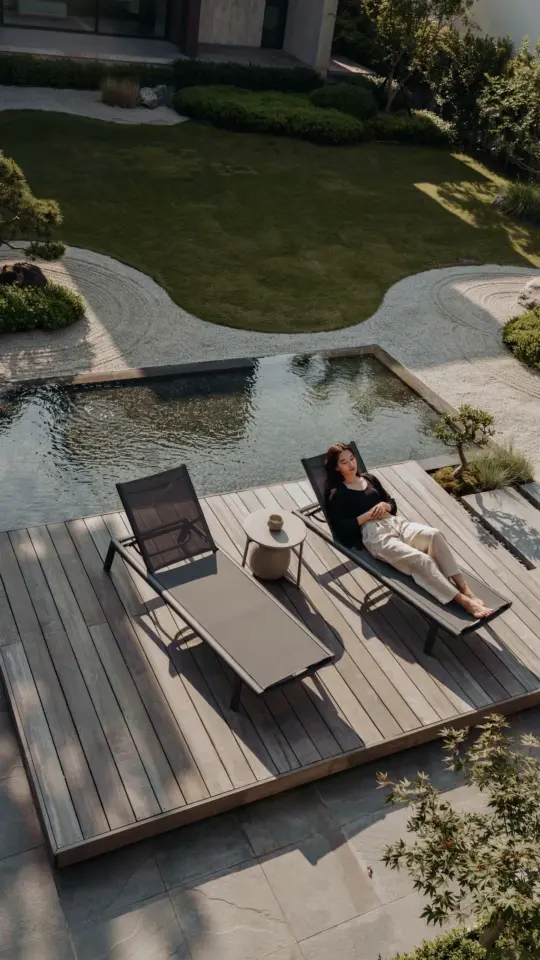
The Real Appeal of a Movable Deck Pool Design
I have a confession: I used to think that any deck attached to a pool was a permanent, expensive structure that locked you into one backyard layout forever. Then a friend showed me her movable deck pool design for summer parties, and I realized how wrong I was. She built a simple platform on locking casters that slides right over the concrete apron around her above-ground pool. When she hosts a barbecue, she rolls it into place to create extra lounge space. Come fall, she slides it away and stores it under her patio roof. The whole thing cost her under $600 in materials, and it completely changed how I think about seasonal flexibility.
If you are someone who wants a pool that actually adapts to your life instead of the other way around, a movable deck is a practical, budget-friendly solution. You do not need a custom contractor or a five-figure installation. You need a little DIY know-how, a few affordable materials, and a plan that works for your specific yard.
Affordable Ways to Build a Movable Deck for Your Pool
Most people assume a movable deck means heavy steel tracks or a hydraulic system. In reality, the most common DIY version is a wooden or composite platform on heavy-duty furniture dollies. I have seen homeowners use 2×4 frames with plywood decking, treated with outdoor stain, and mount four 600-pound-rated casters (two locking, two swivel) to the underside. The total material cost usually lands between $400 and $800, depending on size and wood quality.
If you want something lighter and even cheaper, consider a modular deck system. Some companies sell interlocking plastic deck tiles that snap together. You can assemble a 6×8 foot section in an afternoon, pick it up by hand, and stack it in the garage during winter. The tiles cost roughly $3 to $5 per square foot, and they do not rot or splinter. That is a real option for renters or anyone who hates committing to a permanent build.
- DIY wooden platform on casters – costs about $500 for a 8×10 foot area, requires basic saw and drill skills.
- Interlocking plastic deck tiles – around $200 for a 6×8 foot section, no tools needed, stores flat.
- Prefab aluminum ramps or platforms – pricier ($1,000 plus) but lightweight, rust-proof, and slide easily on wheeled legs.
How a Slide-Away Pool Deck Saves You Money Year-Round
Let me be direct: a permanent deck around a pool often requires permits, concrete footings, and ongoing maintenance like sealing and staining. A movable deck skips most of that. Because it is not attached to the ground, you avoid property tax increases in some municipalities (check local rules, but many treat it as temporary furniture). You also avoid rot issues that come from moisture trapped between a fixed deck and the pool edge. I have seen people pull their movable deck into the sun to dry after a rainy week, something you can not do with a nailed-down structure.
Seasonal storage also protects the deck itself. By sliding it under a covered porch or into a shed for the fall and winter, you extend its life by years. That means you are not rebuilding every five seasons. In my experience, a well-built movable deck lasts 8 to 10 years with basic care, whereas a fixed wooden deck around a pool often starts cupping and warping after three.
DIY vs. Prefab Movable Deck Options on a Budget
You have two main routes if you are on a tight budget. The DIY route gives you total control over size and cost, but it requires time and some confidence with a circular saw. The prefab route costs more upfront but saves you weekends of labor. I lean toward DIY for anyone who has even modest handyman skills. There are plenty of free plans online for a poolside platform that sits on casters or on removable legs. I built my own 6×6 foot deck in a weekend using pressure-treated lumber, deck screws, and four casters from a hardware store. Total came to $312, including stain.
If DIY is not your thing, look for a prefab aluminum deck section designed for above-ground pools. Some brands sell a 4×8 foot platform with fold-down legs and wheels that you can tow around the yard. They run about $700 to $1,200, which is still less than hiring a contractor for a permanent deck. One tip: check Facebook Marketplace or Craigslist for used pool decks. People frequently sell them after moving or upgrading to an in-ground pool. I snagged a nearly new 8×10 aluminum deck for $200.
Using a Movable Deck to Maximize a Small Summer Backyard
If your backyard is tight, a movable deck is a game-changer. You do not want a permanent structure eating up half your lawn, especially if you have kids or dogs who need running space. A platform that rolls into place only when you are hosting a party keeps the yard open the rest of the time. I have a neighbor with a 25-foot-wide lot who uses a 4×8 movable deck next to her small above-ground pool. When her kids want to play soccer, she slides the deck against the fence. When friends come over for a barbecue, she pushes it back out and adds a couple of folding lounge chairs.
Another trick: use the movable deck as a stage for a fire pit or an outdoor dining table during cooler months. Roll it away from the pool, place a portable propane fire pit on top, and you have a cozy hangout spot in September. That kind of flexibility is hard to beat when you have limited square footage.
Space-Saving Pool Deck Ideas for Seasonal Flexibility
Beyond the basic platform, there are creative ways to get more use out of your movable deck without spending extra. I have seen people build a deck with a hinged section that folds up into a bench. Others attach a small shade sail to a post mounted on the deck itself, so they do not need to install a permanent umbrella base. If you want seating, consider building a low-built-in bench around the edge of the deck instead of using separate chairs that take up floor space. That bench can double as storage if you hinge the seat.
For winter storage, think vertically. Build a simple wooden rack in your garage or shed that holds the deck on its side. A 6×8 deck standing upright takes up about the same floor space as a bicycle. You can also store it under a raised porch or even on the side of your house with a weatherproof cover. A tarp and some bungee cords cost less than $30.
Practical Tips for Maintaining a Movable Deck Through Fall and Winter
I will be honest: a movable deck is not maintenance-free, but it is easier to care for than a fixed one. The main thing is to keep the casters or wheels moving smoothly. Once a month during the summer, spray them with a silicone lubricant to prevent rust and squeaking. Before storing, clean the deck with a mild soap and water, let it dry completely, and apply a fresh coat of sealant if the wood looks dry.
If you have a composite or plastic deck, just give it a rinse and let it dry. Never store a wet deck in an enclosed space, because mold will form. I learned this the hard way one spring when I pulled out my deck and found green spots all over the wood. Now I always let it sit in the sun for a full day before tucking it away. Small habit, big difference.
A Final Word on Making Your Pool Work for Every Season
For me, the movable deck is not about having a flashy backyard feature. It is about being practical with my money and my space. I get a pool deck when I need one for entertaining, and I reclaim my yard when I do not. That kind of adaptability feels honest and real, especially when you are working with a limited budget. If you already have a pool and wish you had better lounge space for summer, consider a movable deck before you call a contractor. You might be surprised how far a few casters and some lumber can take you.
Got questions about your own build? Drop a comment or message me. I always like hearing what other people cobble together for less than a night out.
#pooldeck #movabledeck #pooldesign #summerbackyard #versatileoutdoor
Leave a Comment